

Vulnerable patients and supported medicine use
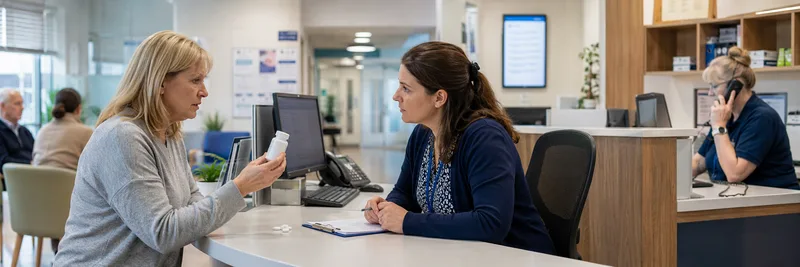
Some medication contacts need earlier escalation because the patient may not recognise, report or correct a problem. Children, frail adults, care-home residents, pregnant people and anyone who needs help with medicines are at greater risk of harm.
Vulnerability does not mean reception staff should make clinical decisions. It does mean staff should escalate sooner when there is uncertainty, a medicine error, a missed dose, severe symptoms or any safeguarding concern.
Use extra caution when the contact involves
- A baby or child who has taken the wrong medicine, the wrong dose or an adult medicine.
- A pregnant or recently pregnant patient with medicine uncertainty, severe symptoms or specialist instructions.
- A frail older person or care-home resident affected by missed doses, duplicate doses or conflicting medication records.
- A person with learning disability, dementia or communication needs who may not be able to explain what happened.
- Safeguarding concerns, including medicine being withheld, misused, shared, stolen or used to control someone.
- Repeated failed requests where the patient has already tried to resolve the issue and the risk is increasing.
Listen to the person supporting the patient
Carers, relatives, pharmacy staff and care-home staff may report a failure in the usual medicine process. Record their exact wording and treat the contact as more than a routine chasing call.
If responsibility between the practice, pharmacy, hospital, care home or family is unclear, escalate the uncertainty. Do not leave a vulnerable patient caught between services.
When a patient depends on others for medicines, delays, errors and unclear ownership can become unsafe quickly.
Ask Dr. Aiden
Rate this page
Sign up now for a free account
Course tools & details

