
Deaf Awareness and Accessible Communication for GP Receptionists and Care Navigators

Respectful first contact for Deaf, deafened and hard-of-hearing patients

  • Reputation

    No token earned yet.

    Reach 50 points to earn the Peridot (Trainee Level).

  • CPD Certificates

    Certificates

    You have CPD Certificates for 0 courses.

  • Exam Cup

    No cup earned yet.

    Average at least 80% in exams to earn the Bronze Cup.

Launch offer: Certificates are currently free when you create a free account and log in. Log in for free access

Asking about communication needs respectfully
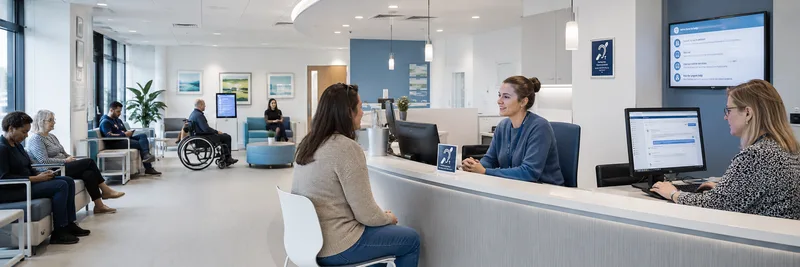
GP reception area with receptionist and patient

Ask about communication needs as a normal part of contact. The purpose is to ensure safe, accessible care, not to make the person feel like a problem.

Use direct, respectful questions

Useful wording includes: "What is the best way for us to contact you?", "Do you use BSL?", "Would you like an interpreter for this appointment?", or "Do you need information in writing, large print or another format?"

Avoid asking about medical history unless required by local process. The key information is the communication support needed for safe access, not the cause of hearing loss.

Check written and digital routes

  • Can the patient use SMS, email or online forms?
  • Do they need plain written instructions?
  • Is a video relay or BSL interpreter needed?
  • Does the patient need a no-phone-contact note?

A Guide On How To Communicate Better With Deaf People | BBC The Social

Video: 3m 46s · Creator: BBC Scotland. YouTube Standard Licence.

This BBC The Social video features Shiona, who is deaf, giving practical advice on communicating with deaf people. She explains that deaf people often face communication barriers in a hearing world, and that patience, willingness to repeat or rephrase, and not giving up can make interaction feel more inclusive.

The video advises getting a deaf person's attention before speaking, for example by tapping their shoulder or waving within their line of vision. Shiona also suggests writing or typing if speech is not working, and asking how the person prefers to communicate rather than assuming every deaf person communicates in the same way.

She cautions against shouting, exaggerating lip movements, speaking too quickly, mumbling or covering the mouth, because these can make lip-reading harder. The main message is to stay natural, patient and curious, and to keep trying when communication takes extra effort.

Was this video a good fit for this page?

Ask what support the patient needs to communicate, then record it so they do not have to explain it every time.

Some patients cope by pretending they heard or by relying on a family member. Make it routine to ask about communication needs so patients can request support without feeling they are causing trouble or delaying others.

Give the patient time to answer and avoid putting them on the spot in public. Written questions, a communication card or a quieter space can help the patient explain what support they need.

Scenario

A Deaf patient writes, "I need BSL for appointments, not my daughter."

What should happen?


Ask Dr. Aiden


Rate this page


Course tools & details Study tools, course details, quality and recommendations
Funding & COI Media Credits
