
Deaf Awareness and Accessible Communication for GP Receptionists and Care Navigators

Respectful first contact for Deaf, deafened and hard-of-hearing patients

  • Reputation

    No token earned yet.

    Reach 50 points to earn the Peridot (Trainee Level).

  • CPD Certificates

    Certificates

    You have CPD Certificates for 0 courses.

  • Exam Cup

    No cup earned yet.

    Average at least 80% in exams to earn the Bronze Cup.

Launch offer: Certificates are currently free when you create a free account and log in. Log in for free access

Understanding Deaf and hearing-loss access needs
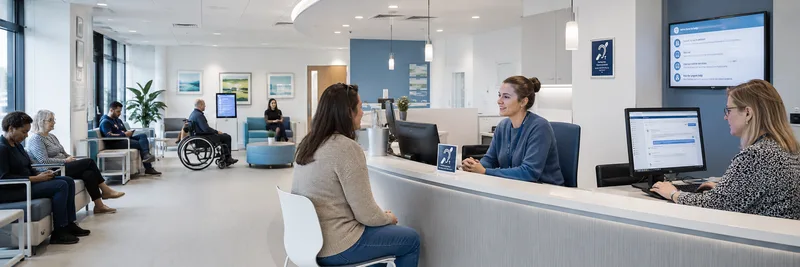
GP reception area with receptionist and patient

Patients may be Deaf BSL users, deafened, hard of hearing, have tinnitus, use hearing aids, lip-read, use speech-to-text, prefer written communication, or need support from a communication professional.

Do not assume one solution fits all

Some Deaf patients use British Sign Language as their preferred language. Written English may not be the clearest option for a BSL user. Other patients speak English but find phone calls difficult, especially with background noise, strong accents, face coverings or rapid speech.

At reception, start by asking which support works for the patient. Avoid shouting, over-explaining or assuming a family member should interpret. Checking preferences prevents embarrassment and missed information.

What Does Deaf Mean?

Video: 3m 12s · Creator: National Deaf Center. YouTube Standard Licence.

This National Deaf Center video uses personal accounts to show that deafness exists on a spectrum. Speakers describe being born deaf, becoming deaf later in life, being deaf in one ear, being hard of hearing, being deaf-blind, having Usher syndrome, using cochlear implants or hearing aids, and identifying with other communities such as disability, race, or sexuality.

The accounts show that language and communication preferences vary. Some people use ASL, tactile ASL, cued speech, spoken English, captioning, interpreting, note-takers, or combinations of supports. Several speakers describe how school, family background, Deaf culture, and access to sign language shaped their communication.

The central message is that deaf people are not all the same. Access needs, identities and communication methods differ, so the video asks viewers to meet deaf people with an open mind rather than relying on a single idea of what deaf means.

Was this video a good fit for this page?

Common barriers in GP access

  • Phone-only booking or call-back systems.
  • Voicemail or SMS messages that do not explain the next step clearly.
  • Appointments booked without BSL or communication support.
  • Important results or instructions given too quickly or in an unsuitable format.

Accessible communication starts with the patient's preferred communication method, not the easiest route for the practice.

Hearing loss affects first contact and administrative steps as well as consultations. It can cause problems in the phone queue, when results are given, hearing a name in the waiting room, and following urgent instructions. Reception systems should identify and address these risks before they cause harm.

Separate a patient's communication need from assumptions about ability. A Deaf patient can manage complex decisions when communication is accessible, but may be excluded if the practice relies on voice calls or rushed speech.

Scenario

A patient points to their hearing aid and says they cannot manage telephone calls. The only route offered is a call-back.

What should staff recognise?


Ask Dr. Aiden


Rate this page


Course tools & details Study tools, course details, quality and recommendations
Funding & COI Media Credits
