
Deaf Awareness and Accessible Communication for GP Receptionists and Care Navigators

Respectful first contact for Deaf, deafened and hard-of-hearing patients

  • Reputation

    No token earned yet.

    Reach 50 points to earn the Peridot (Trainee Level).

  • CPD Certificates

    Certificates

    You have CPD Certificates for 0 courses.

  • Exam Cup

    No cup earned yet.

    Average at least 80% in exams to earn the Bronze Cup.

Launch offer: Certificates are currently free when you create a free account and log in. Log in for free access

Urgent contacts and safety escalation
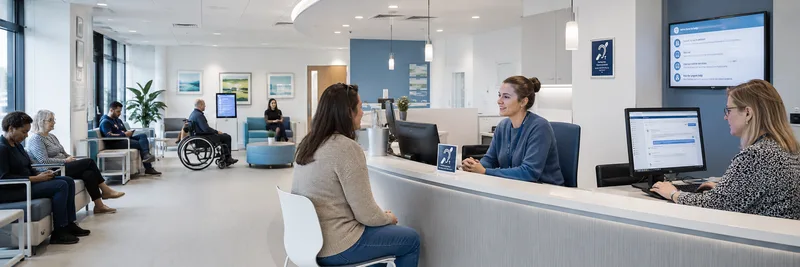
GP reception area with receptionist and patient

Urgent symptoms are harder to manage when communication support is missing. Deafness or hearing loss must not delay urgent action, and staff should avoid unsafe guesswork.

Keep both issues visible

The clinical concern and the communication need are both important. If a patient reports chest pain, severe breathlessness, collapse, self-harm or another red flag by SMS, written note or relay service, follow the urgent pathway while keeping communication accessible.

Do not assume a patient who cannot use the phone can wait for a routine written reply. Use local urgent pathways, manager support or emergency wording as required.

When to contact 111 for urgent help - BSL - North East Ambulance Service

Video: 3m 4s · Creator: NEAmbulance. YouTube Standard Licence.

This North East Ambulance Service video explains when NHS 111 is appropriate for urgent help. It distinguishes life-threatening emergencies that need 999 from urgent problems suitable for 111 online or by phone.

The video lists possible next steps from 111, including A&E, urgent care, local GP, pharmacist, dentist, ambulance response, medicines advice or self-care. It explains how trained advisers ask questions to judge how quickly help is needed and whether an ambulance or another service is required.

It also highlights accessible routes: people who are deaf, hard of hearing or speech impaired can contact 111 by text or a British Sign Language relay service, and people whose first language is not English can request an interpreter. Urgent signposting must include a contact method the person can actually use.

Was this video a good fit for this page?

When to escalate

  • Urgent wording is present and the patient cannot use the normal route.
  • An interpreter or support arrangement fails during an urgent contact.
  • The patient's safe contact method is unclear.
  • There is a safeguarding, coercion or confidentiality concern.

Communication barriers should trigger a safer route, not a slower response.

Preserve urgent wording exactly. If a patient writes "cannot breathe" or "chest pain", do not slow the access route because voice contact is difficult. Both the communication need and the clinical urgency require clear ownership.

Urgent escalation must keep both speed and communication access. If the patient cannot use voice calls, use local urgent routes rather than leaving the patient waiting for a routine written reply.

Scenario

A Deaf patient sends an online message saying they cannot breathe properly and asks not to be phoned.

What should happen?


Ask Dr. Aiden


Rate this page


Course tools & details Study tools, course details, quality and recommendations
Funding & COI Media Credits
