

Recording communication needs accurately
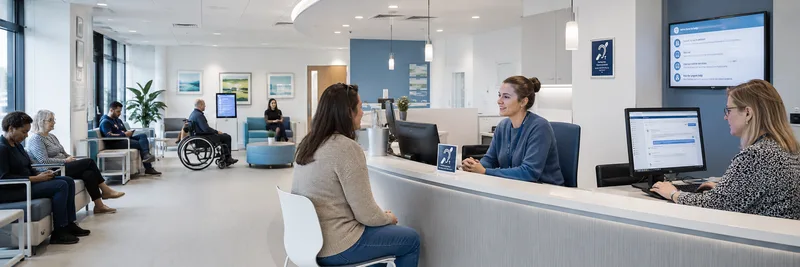
Communication needs should be recorded so they travel with the patient. If details are only in an isolated free-text note they can be missed when another staff member handles a call, appointment, result or message.
Record useful details
A clear record might state "BSL interpreter required for appointments", "cannot hear voice calls - SMS preferred", "needs written instructions in plain English", or "hearing loop requested if available". Use wording that tells staff what to do and is respectful.
Update records when preferences change. Patients may use different methods for routine and urgent contact, or have safety concerns that affect how messages can be sent.
Make the record actionable
- Use the correct communication-need field or code where available.
- Record interpreter bookings and any failed support arrangements.
- Flag appointment needs early enough for staff to arrange support.
- Check who can see the note online and whether confidentiality is affected when sensitive information is recorded.
A communication need is only useful in the record if it can be seen and acted on by the next staff member.
When communication needs are recorded, staff should confirm the information is current. A patient may change preferences after getting new technology, experiencing further hearing loss, or changing their living situation.
Records should explain the action required, not just label the patient as Deaf or hard of hearing. The next staff member needs to know whether to use SMS, book BSL, provide written details or avoid voice calls.
Ask Dr. Aiden
Rate this page
Sign up now for a free account
Course tools & details

