

Telephone, SMS and online access barriers
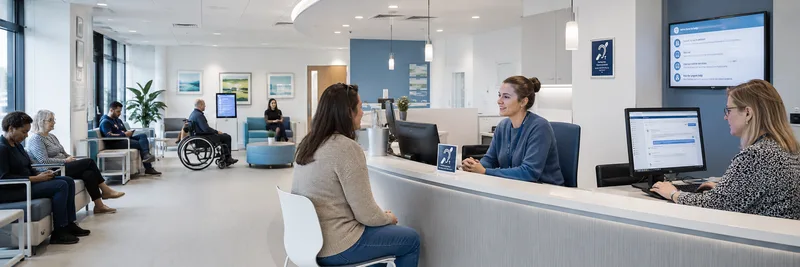
Phone-based GP access can exclude Deaf, deafened and hard-of-hearing patients. Digital options help only when they are clearly accessible, secure and linked to the patient’s recorded communication preference.
Do not rely on phone by default
If the record indicates the patient cannot use phone calls, a callback may be unsafe or ineffective. The patient could miss urgent information, be recorded as failed contact, or be forced to rely on someone else to speak for them.
SMS and online messages can be useful when written plainly. They should not convey sensitive information unless local policy and safe-contact instructions allow it.
Check digital routes
- Can the patient use the online form?
- Can they receive and understand SMS messages?
- Is email an approved route for this purpose?
- Does the patient need accessible written information or video relay?
A failed phone call is not a failed patient contact if the patient cannot use the phone.
Review digital messages for plain language. A Deaf patient who uses written English may still find jargon-heavy wording difficult, particularly if English is not their first language. Clear wording reduces misunderstandings and repeat contact.
Telephone alternatives must be agreed, reliable and recorded. If staff repeatedly default to voice calls despite a recorded need, the patient may miss appointments, results or urgent instructions.
Ask Dr. Aiden
Rate this page
Sign up now for a free account
Course tools & details

