

Practice systems and continuous improvement
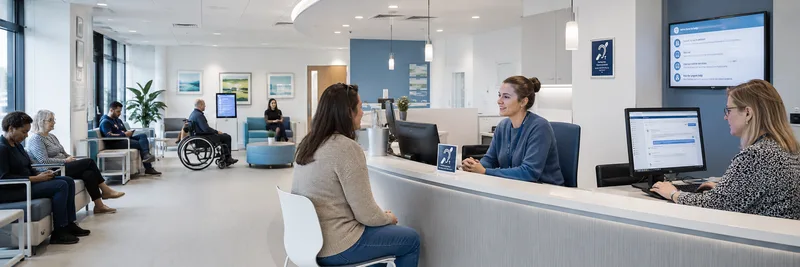
Accessible communication depends on clear practice systems as much as individual staff skills. Appointment templates, booking prompts, interpreter contracts, messaging rules, staff training and regular review all affect whether Deaf and hard-of-hearing patients can use the service.
Systems should make access easier
Reception staff should follow agreed local procedures rather than inventing ad hoc solutions each time. Procedures should set out how to book interpreters, what to do when support fails, how to manage urgent messages and how to record communication needs.
Patient feedback and complaints often identify repeated barriers. If multiple patients report missed calls, inaccessible messages or absent interpreters, the practice should investigate system causes rather than treating each case as an isolated incident.
What managers should review
- Are communication needs visible at booking and call-back points?
- Can staff access interpreters quickly enough?
- Are SMS and online messages written clearly?
- Do staff know what to do when a patient cannot use phone access?
Accessible communication improves when the practice learns from failed contacts, not only when individual staff try harder.
Review the whole patient journey: booking, arrival, waiting, consultation support, follow-up, results and complaints. Deaf awareness means consistent access across every stage, not only booking an interpreter.
Include feedback from Deaf and hard-of-hearing patients in practice learning. Complaints about missed calls, inaccessible reminders or absent interpreters reveal predictable system failures that can be fixed.
Ask Dr. Aiden
Rate this page
Sign up now for a free account
Course tools & details

