

Using BSL interpreters and communication support
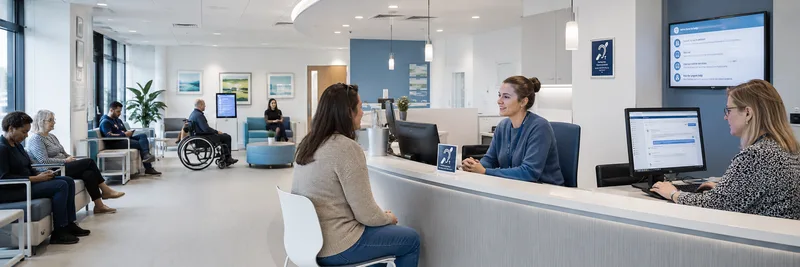
Professional communication support ensures patients can understand information, ask questions and take part in decisions. It also protects confidentiality and reduces the risk of missed or altered information.
Before the appointment
Confirm the type of support the patient needs and whether the appointment will be face-to-face, remote or telephone. Different services - BSL interpreter, lipspeaker, speech-to-text reporter or other support - may require separate booking slots and notice. If the appointment time or format changes, the support booking may need updating.
Reception staff must know how to flag communication needs on the record and who is responsible for booking support. If no provider is available, staff should escalate the issue rather than asking the patient to attend an appointment they cannot access.
During contact
- Address the patient directly, not only the interpreter.
- Allow extra time for interpreted exchanges.
- Avoid side conversations that exclude the patient.
- Confirm next steps in a format the patient can use.
Booking the appointment is not enough if the communication support has not also been arranged.
Repeated failure to provide interpreters is a system safety issue. A patient can miss screening, medication advice or follow-up if the appointment is not accessible in practice. Report and review failed arrangements; do not treat them as isolated inconveniences.
Interpreter arrangements are part of appointment preparation. If support is missing, a patient may attend physically but still be excluded from the consultation.
Ask Dr. Aiden
Rate this page
Sign up now for a free account
Course tools & details

