

Bias, stereotypes and respectful challenge
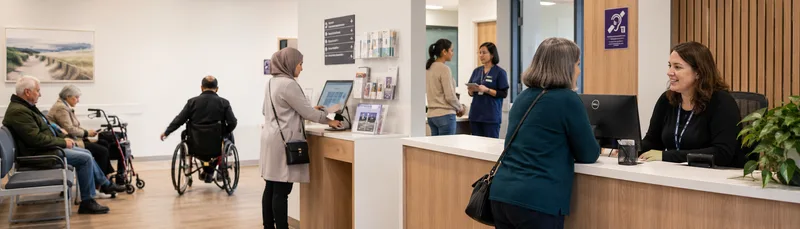
Bias affects who is believed, how seriously distress is taken, and which route into care is offered. It can be conscious or unconscious, but the impact on patients is real.
Where bias may show up
Bias appears in assumptions such as a patient being "always difficult", a carer "probably exaggerating", a person with a learning disability being unable to speak for themselves, or someone with limited English "not understanding anyway".
Reception staff can limit bias by noting observable facts, following consistent processes, and asking for support when comments or patterns seem unfair. A respectful challenge need not be confrontational; it redirects attention to the patient's current needs.
Safer team language
- Use "patient has called three times today about chest pain" rather than "attention seeking".
- Use "interpreter needed" rather than "does not speak properly".
- Use "requires accessible route" rather than "refuses online form".
- Use "became upset when told the route" rather than "kicked off".
Factual language helps teams respond fairly and reduces the risk of stereotypes shaping access.
Bias often shows in small shortcuts: who is believed, who is labelled aggressive, who is assumed not to understand, or who receives extra explanation. Factual records and shared scripts help teams check whether similar contacts are handled consistently.
Teams manage bias better when they use the same scripts and factual records. If staff describe identical behaviour differently depending on who the patient is, the practice may unintentionally create unequal access.
Ask Dr. Aiden
Rate this page
Sign up now for a free account
Course tools & details

