

Recording needs and improving inclusive practice
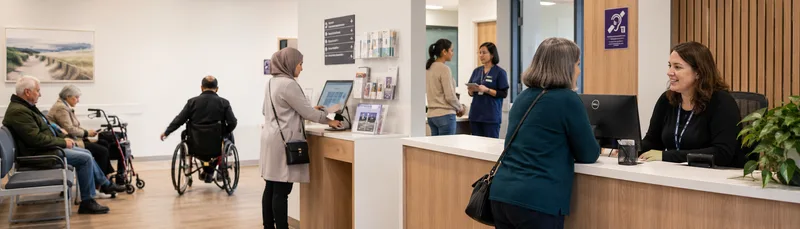
Inclusive practice relies on accurate, visible records. If access needs, safe-contact instructions or reasonable adjustments are not recorded, patients may have to repeat difficult conversations at every contact.
Record what helps the next contact
Records should be factual, respectful and proportionate. Useful entries note the required action, for example: "Patient prefers text due to hearing loss", "BSL interpreter needed for appointments" or "Patient cannot use online forms - assisted access required".
Avoid judgemental labels. The purpose of the record is to guide staff to meet the patient's needs, not to mark the patient as a problem.
Make needs visible safely
- Use the correct record field, alert or code according to local policy.
- Decide whether the need relates to communication, access, privacy or safety.
- Update records when the patient's preferences or circumstances change.
- Escalate if record visibility could create a safeguarding or safe-contact risk.
A clear access note makes the next contact safer and less frustrating for the patient and staff.
Good records support continuity across shifts and branches. If only one staff member knows a patient needs assisted access, the system has not recorded the need in the places staff use when booking, messaging, calling or handing over.
Recording needs well tells the next staff member how to communicate fairly and avoids repeated disclosure of disability, language needs, trauma or other access barriers.
Ask Dr. Aiden
Rate this page
Sign up now for a free account
Course tools & details

