

Equality and inclusion in everyday GP access
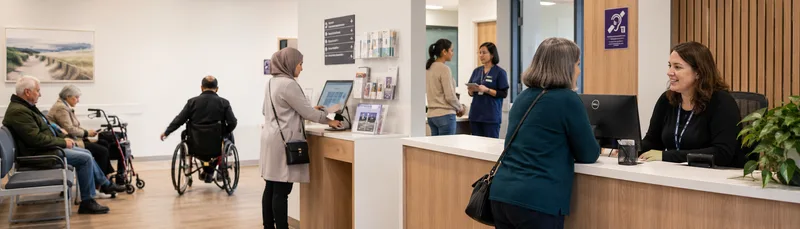
Equality and inclusion shape whether a patient can contact the practice, explain what they need, understand the next step and feel safe returning.
What inclusion looks like at first contact
Inclusive access goes beyond having a phone line, online form or text message. Those routes only help if a patient can use them. Language, disability, poverty, digital access, fear, trauma, caring responsibilities or previous poor experiences can all exclude people.
Reception staff are often the first to notice when a route does not work. You do not need to redesign the whole service on the spot, but you should recognise when a standard process creates a barrier and follow local steps to help.
Practical signs of exclusion
- A patient repeatedly fails to use online forms or telephone queues.
- A carer explains that appointment letters are not understood.
- A patient misses reviews because text reminders are inaccessible.
- A person becomes distressed because they cannot explain their need in the format offered.
Fair access means the route must be usable, not merely available.
Pause before treating a failed route as the patient's fault. A missed call, incomplete online request or complaint about access can indicate the need for a different communication method, a reasonable adjustment, language support or clearer signposting. Record the barrier so the team can see it.
For reception and care navigation staff, the test is whether the person can use the route offered without being disadvantaged by something the practice could reasonably notice or adapt. Small actions - offering assisted access, checking communication preferences or involving a supervisor - can stop a barrier becoming a missed appointment or a complaint.
Ask Dr. Aiden
Rate this page
Sign up now for a free account
Course tools & details

