

Getting help and using safety procedures
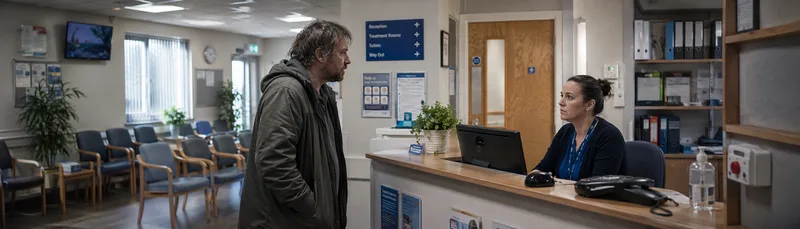
Getting help early is a practical skill. Staff should know what support is available before an incident, because procedures are harder to follow when you are frightened or under pressure.
Help routes should be familiar
Every team member must know how to summon immediate support, who can respond, and what will happen afterwards. Procedures are only useful if people can use them quickly and without embarrassment.
Help can mean another receptionist standing nearby, a supervisor taking over, a clinician stepping in, activating a panic alarm, moving other patients away, ending a call, locking a door, or contacting the police or emergency services.
When help should not wait
- Threats: harm to staff, patients, self or property.
- Physical risk: thrown objects, blocked exits, pushing, following staff or attempts to enter staff-only areas.
- Loss of control: staff cannot think clearly or the person will not respond to limits.
- Immediate clinical or safeguarding danger: urgent physical or mental health needs, or a child/adult safeguarding risk.
Practise before the incident
Rehearse safety procedures until staff can use them without hesitation. Teams can practise short phrases for summoning a colleague, where to stand when help arrives, and how to hand over quickly. Regular practice makes it more likely people act early rather than waiting until a situation feels out of control.
Calling for help is not overreacting when a situation is unsafe or unclear.
Ask Dr. Aiden
Rate this page
Sign up now for a free account
Course tools & details

