

Team culture, training and manager responsibilities
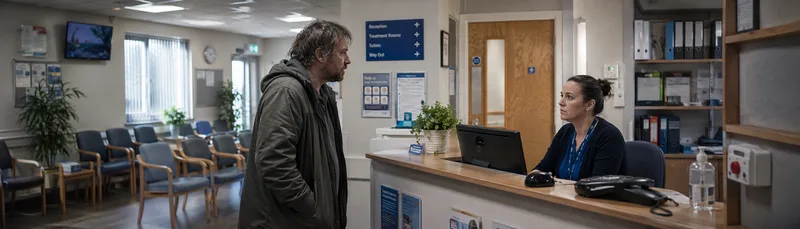
Personal safety improves when staff trust they will be supported for raising concerns. It weakens when staff feel they must tolerate threats, work alone without controls or stay silent about unsafe systems.
What a safer culture looks like
A safer practice treats staff reports as useful information. It identifies repeated risks, trains new starters, explains local procedures, tests alarms, supports debriefs and checks whether staffing patterns create unsafe lone-working periods.
Staff also need psychological safety. If a receptionist says "I felt unsafe" they should not be mocked or blamed. The focus should be what happened, which controls worked and what should change.
Manager and team actions
- Induction: new and temporary staff know alarms, exits, escalation routes and how to report incidents.
- Review: managers examine incidents, near misses, staffing gaps and environmental triggers.
- Debrief: staff have time to recover and to learn after difficult contacts.
- Improvement: repeated risks prompt changes, not just reminders to be careful.
Support should be visible
Staff notice whether managers act when concerns are raised. When reports lead to feedback, repairs, rota changes or clearer scripts, staff keep reporting. If nothing changes, they may stop raising issues and accept unsafe conditions as normal.
A safe team does not expect reception staff to absorb risk quietly.
Ask Dr. Aiden
Rate this page
Sign up now for a free account
Course tools & details

