
Personal Safety and Lone Working for GP Receptionists and Care Navigators

Recognising risk, getting help and improving safety systems

  • Reputation

    No token earned yet.

    Reach 50 points to earn the Peridot (Trainee Level).

  • CPD Certificates

    Certificates

    You have CPD Certificates for 0 courses.

  • Exam Cup

    No cup earned yet.

    Average at least 80% in exams to earn the Bronze Cup.

Launch offer: Certificates are currently free when you create a free account and log in. Log in for free access

Lone working and reduced staffing moments
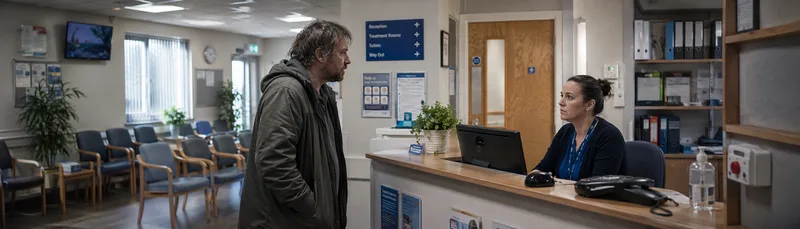
GP reception desk with receptionist and patient

Lone working can mean being the only person in the building, the only person at reception, working alone in a back office, taking calls in a side room, closing a branch site, or managing an incident while colleagues are with patients.

When staff can become effectively alone

General practice may feel busy while a staff member is effectively unsupported. A receptionist can be near colleagues but unable to summon help because doors are closed, phones are busy, or clinical rooms are occupied.

Reduced staffing commonly occurs at lunchtime, early mornings, late appointments, extended-access sessions, branch surgeries and with short-notice absences. These times require planned controls rather than assuming "someone will be around".

Controls that make lone working safer

  • Check-in arrangements: staff know who is present, where they are and when they should check back.
  • Help routes: alarms, phones, radios or agreed signals work and are tested.
  • Task limits: staff know which tasks should not be done alone, such as confronting a threatening caller or opening to an unknown person after hours.
  • Escalation: uncertainty about safety is treated as a reason to pause and get advice.

Do not rely on informal reassurance

"It will only take five minutes" or "nothing usually happens" are not risk controls. A safe arrangement should name who knows the person is working alone, how contact is maintained, which tasks are suitable, and what to do if someone arrives, phones repeatedly, becomes threatening or if the building alarm or IT system fails.

Lone working - your guide to staying safe

Video: 6m 0s · Creator: Oxleas NHS Foundation Trust. YouTube Standard Licence.

This Oxleas NHS Foundation Trust video defines lone working as regularly or occasionally working without direct supervision or ready access to colleagues. It includes community visits, isolated clinics, areas of a ward, or any situation where staff are out of sight or hearing of colleagues.

The video treats lone working as a safety and security issue that needs risk assessment, team discussion and clear control measures. It recommends managers lead the development of safe systems of work with staff input so workers know the risks they may face and the precautions to use.

Practical examples include checking records before visits, assessing risks from the person, family or environment, deciding when not to enter a lone-working situation, arranging colleague support, staying in contact, and using emergency protocols or personal safety devices. Staff should continue assessing risk while working, withdraw if concerned, complete relevant personal-safety training, record concerns after contacts, and report incidents even when they seem minor. The video closes by advising staff to leave immediately if they feel unsafe.

Was this video a good fit for this page?

Lone working should be planned, risk-assessed and supported; it should not depend on staff simply coping.

Scenario

A receptionist is asked to stay late alone to finish scanning while the last clinician leaves the building.

What should be checked before agreeing?


Ask Dr. Aiden


Rate this page


Course tools & details Study tools, course details, quality and recommendations
Funding & COI Media Credits
