

Opening, closing and moving around the premises
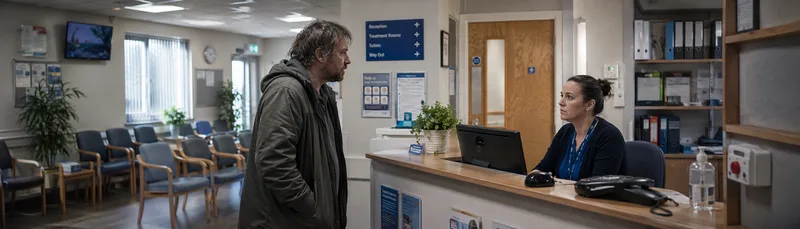
Opening and closing can increase personal risk because fewer people are present, routines are predictable and staff may be handling doors, alarms, car parks, medicines areas or confidential spaces.
Why predictable routines matter
Staff often arrive before the waiting room fills or leave after clinics finish. At those times there is less natural visibility, fewer witnesses and slower access to help if someone is waiting outside or refuses to leave.
Moving around the building also creates risk. A staff member may collect post, check a side entrance, visit a store room, use an isolated printer or open a door for someone claiming an urgent need.
Safer opening and closing habits
- Follow the agreed sequence: do not shorten alarm, door or room checks because the day is busy.
- Avoid isolated confrontation: do not ask an angry or unknown person to leave when you are alone.
- Keep communication available: ensure phone, radio or alarm access works where staff move.
- Report repeated hazards: poor lighting, broken locks, blind corners or unreliable alarms should be logged and fixed, not accepted as normal.
Use ordinary routines consistently
Consistent opening and closing procedures reduce risk. When staff prop doors open, skip checks or admit people because they recognise them, the practice loses control of its boundaries. Any exception should follow a planned process, not a rushed decision at the door.
The start and end of the day are part of the safety system, not informal gaps between "real" work.
Ask Dr. Aiden
Rate this page
Sign up now for a free account
Course tools & details

