

Recording incidents, near misses and unsafe conditions
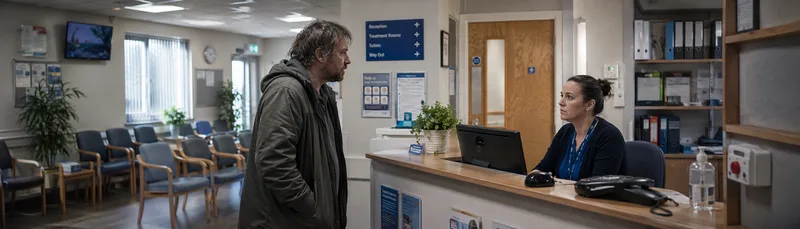
Record incidents and near misses so the practice can spot patterns, support staff and reduce future risk. A near miss is important even when nobody is physically harmed.
Why records matter
If events are not recorded, colleagues may be exposed to the same hazards without warning. Managers who do not see accurate data can underestimate how often staff are threatened, left without backup, unable to summon help or exposed to unsafe conditions.
Keep records factual. Avoid labels such as "difficult patient" unless the note states the words or actions that caused the safety concern.
What to record or report
- What happened: exact words, behaviour, place, time and who was present.
- Risk and response: why it was unsafe and what was done.
- Impact: injury, distress, disruption to services or staff support needed.
- System issue: broken alarms, no backup, poor lighting or repeated flashpoints.
Make patterns visible
One report documents a single event; several reports can reveal a pattern. If incidents cluster around a clinic, doorway, time of day or a patient process, the practice can target causes and reduce risk. Without reporting, managers may only see isolated complaints rather than the wider safety picture.
Recording a near miss prevents harm; it is not paperwork for its own sake.
Ask Dr. Aiden
Rate this page
Sign up now for a free account
Course tools & details

