

Phone, online and remote-work safety
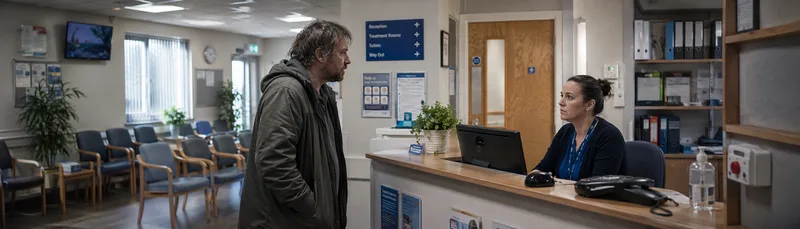
Personal safety includes non-physical risks. Phone, online and remote contacts can expose staff to threats, harassment, distressing disclosures, unsafe lone decision-making and pressure to act outside policy.
Different setting, real risk
A threatening call may feel less immediate than someone at the desk, but it can still harm staff wellbeing and compromise practice safety. Callers may threaten, demand staff names, repeatedly ring, disclose self-harm risk, or pressure receptionists for personal contact details.
Remote work requires clear boundaries. Staff working from home must not use personal phones, save patient details outside approved systems, or be left without agreed escalation routes.
Safe communication principles
- Keep work routes work-based: do not use personal accounts or devices unless local policy explicitly permits a controlled process.
- Know how to end unsafe calls: abusive, threatening or repeated calls should be handled according to local policy.
- Protect staff identity: use approved naming conventions and do not disclose unnecessary personal details.
- Escalate high-risk content: threats, self-harm, safeguarding or violence concerns need urgent routes.
Remote contacts still need boundaries
Staff working remotely may feel more exposed if a caller becomes threatening. They should know whether calls are recorded, how to flag repeated callers, when to end contact, and how to protect their number and location. Remote working must include supervision and support, not just equipment.
Telephone and online abuse should be recorded and reported; it is not less real because it is remote.
Ask Dr. Aiden
Rate this page
Sign up now for a free account
Course tools & details

