

Warning signs and when risk is changing
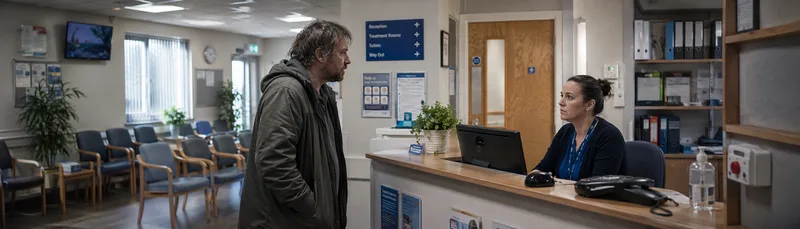
Risk can increase gradually or suddenly. Staff need to spot when a routine contact becomes unsafe and know when to stop, step back or call for help.
Signals that risk is increasing
Early signs include a raised voice, refusal to accept an explanation, repeated demands, pacing, prolonged staring, insults, invading personal space, threats to complain about staff, or a change from frustration to intimidation.
Staff reactions matter too. Feeling trapped, freezing, becoming unusually defensive or having difficulty thinking clearly are signs the situation may no longer be safe to handle alone.
What to do with early warning signs
- Reduce heat: use short, calm sentences and avoid arguing in public.
- Create support: move where colleagues can see you or call someone over early.
- Set limits: explain which behaviour must stop before you can help.
- Change route: offer a supervisor contact, a written complaint process or a later call-back if that is safer.
Use the first sign, not the last sign
The safest time to act is often before a threat is made. Saying you will get a colleague, moving to a safer position, or pausing the conversation to check procedures can stop a situation becoming personal, public or physical.
Calming & De-escalation Strategies
Do not wait for violence before treating a situation as a safety concern.
Ask Dr. Aiden
Rate this page
Sign up now for a free account
Course tools & details

