
Personal Safety and Lone Working for GP Receptionists and Care Navigators

Recognising risk, getting help and improving safety systems

  • Reputation

    No token earned yet.

    Reach 50 points to earn the Peridot (Trainee Level).

  • CPD Certificates

    Certificates

    You have CPD Certificates for 0 courses.

  • Exam Cup

    No cup earned yet.

    Average at least 80% in exams to earn the Bronze Cup.

Launch offer: Certificates are currently free when you create a free account and log in. Log in for free access

Personal safety in reception and admin work
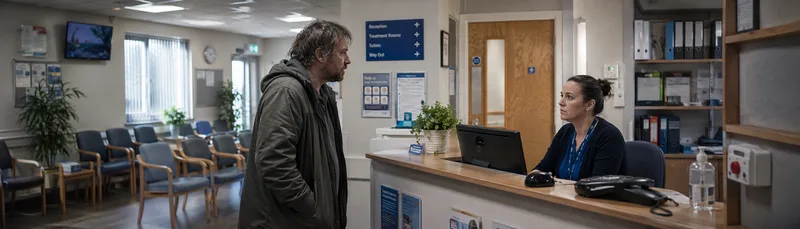
GP reception desk with receptionist and patient

Reception work combines care tasks with situations that can become risky. A call, desk conversation, prescription query or a closing-time contact can change quickly if someone becomes distressed, threatening, confused or medically unwell.

Why safety is part of care

Patients and relatives often contact the practice when they are frightened, angry, in pain or worried about delays. Strong emotions, unclear routes to services and busy waiting areas can increase pressure. Staff should be able to consider their own safety without feeling this is uncaring.

A safe response helps the staff member remain calm, reduces risk to other patients and colleagues, and makes it easier to identify the right clinical or administrative route.

What to notice early

  • Behavioural changes: pacing, shouting, blocking exits, clenched fists, repeated demands, or refusal to leave.
  • Environmental risks: lone desk cover, isolated rooms, poor visibility, locked doors, late sessions, or crowded waiting areas.
  • Task risks: handling cash, opening alone, dealing with controlled-drug paperwork, or being asked to meet someone privately.

Small actions that reduce risk

Use simple, reliable habits that work under pressure. Keep the desk uncluttered, know where the nearest colleague is, avoid turning your back if a situation is escalating, and use agreed phrases rather than improvising. If contact feels different from an ordinary access problem, treat that feeling as information and get support early.

If I die it will be your fault

Video: 2m 25s · Creator: IGPM (Institute of General Practice Management). YouTube Standard Licence.

This Institute of General Practice Management campaign video shows GP receptionists describing abuse they have experienced. It presents repeated blame, personal insults, pressure to bypass appointment or prescription processes, threats to attend the practice, discriminatory abuse, property damage and frightening behaviour as patterns staff may face.

The video shows abuse occurring by phone and in person and affecting receptionists, clinicians and other team members. Examples include patients blaming staff for possible health outcomes, demanding a particular doctor or appointment, and using racist or threatening language.

The closing message is that abuse in GP practices must stop. The video is intended to show the emotional and safety impact of normalising abusive behaviour towards primary care staff; it is not a technical de-escalation guide.

Was this video a good fit for this page?

Staff safety is not separate from patient safety; unsafe staff cannot provide safe access.

Scenario

A patient at the desk becomes louder, leans over the counter and says they are not leaving until they get what they want.

What should personal safety awareness mean here?


Ask Dr. Aiden


Rate this page


Course tools & details Study tools, course details, quality and recommendations
Funding & COI Media Credits
